Our Story
The quiet labor of things aging into something better
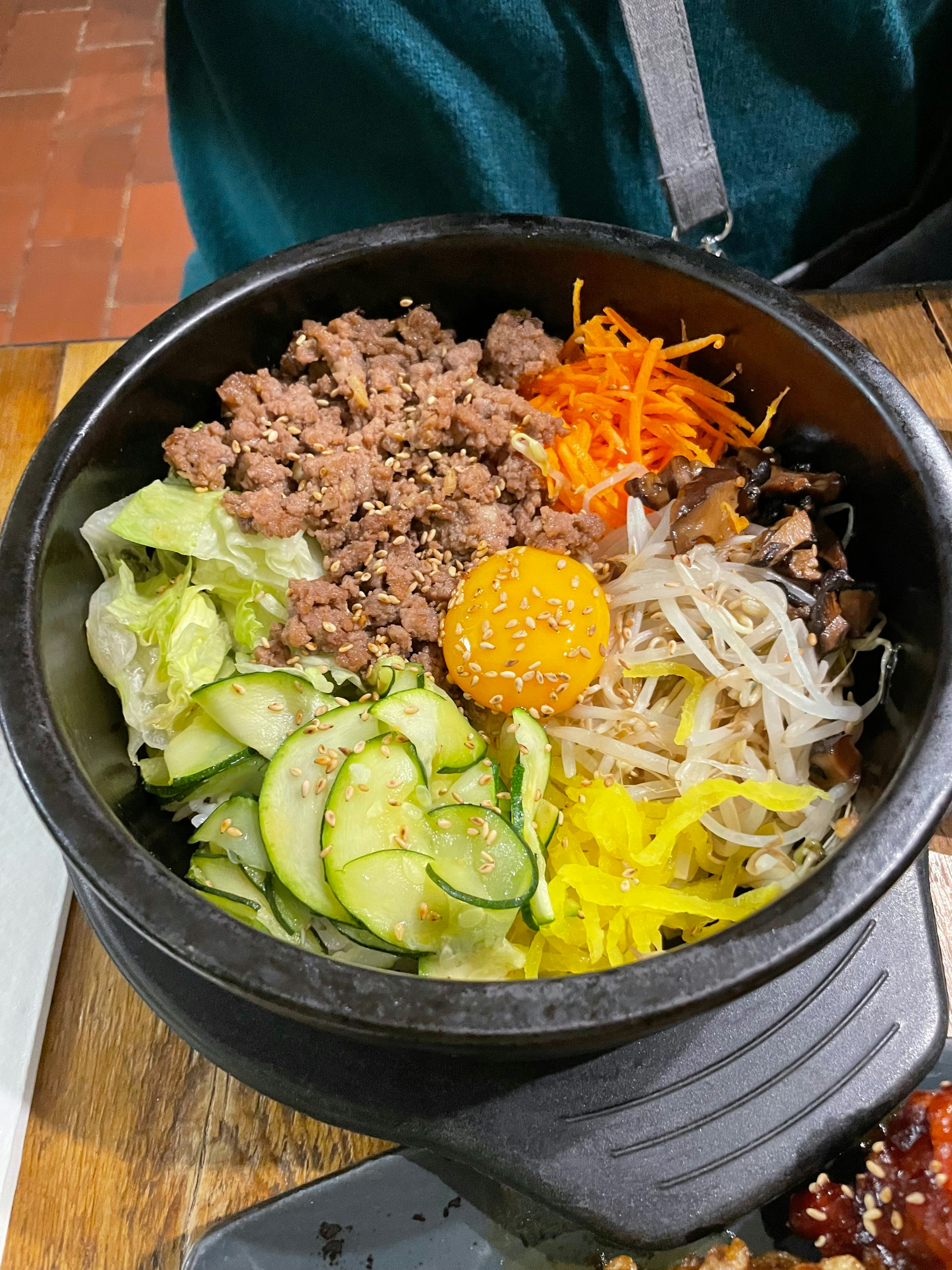
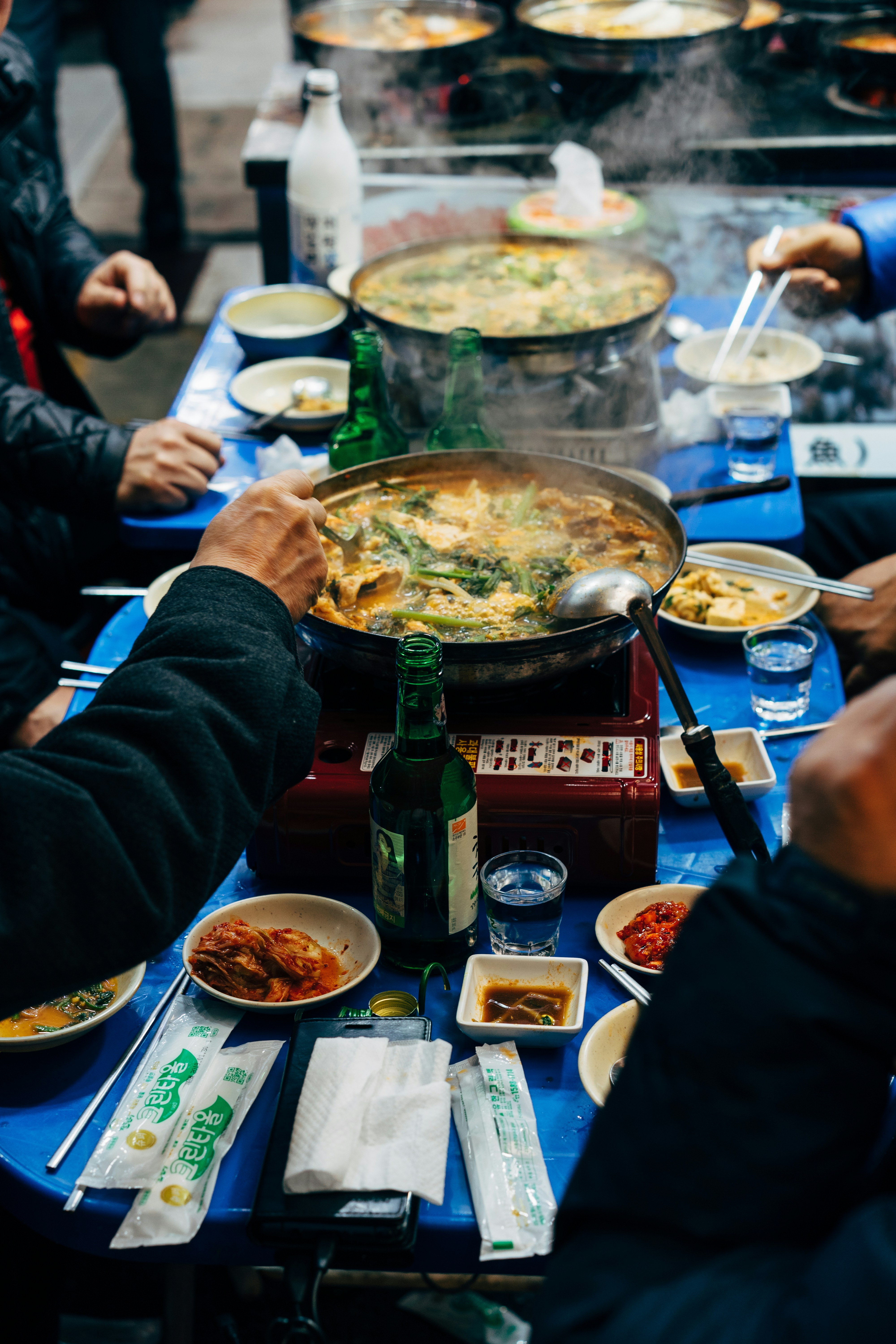
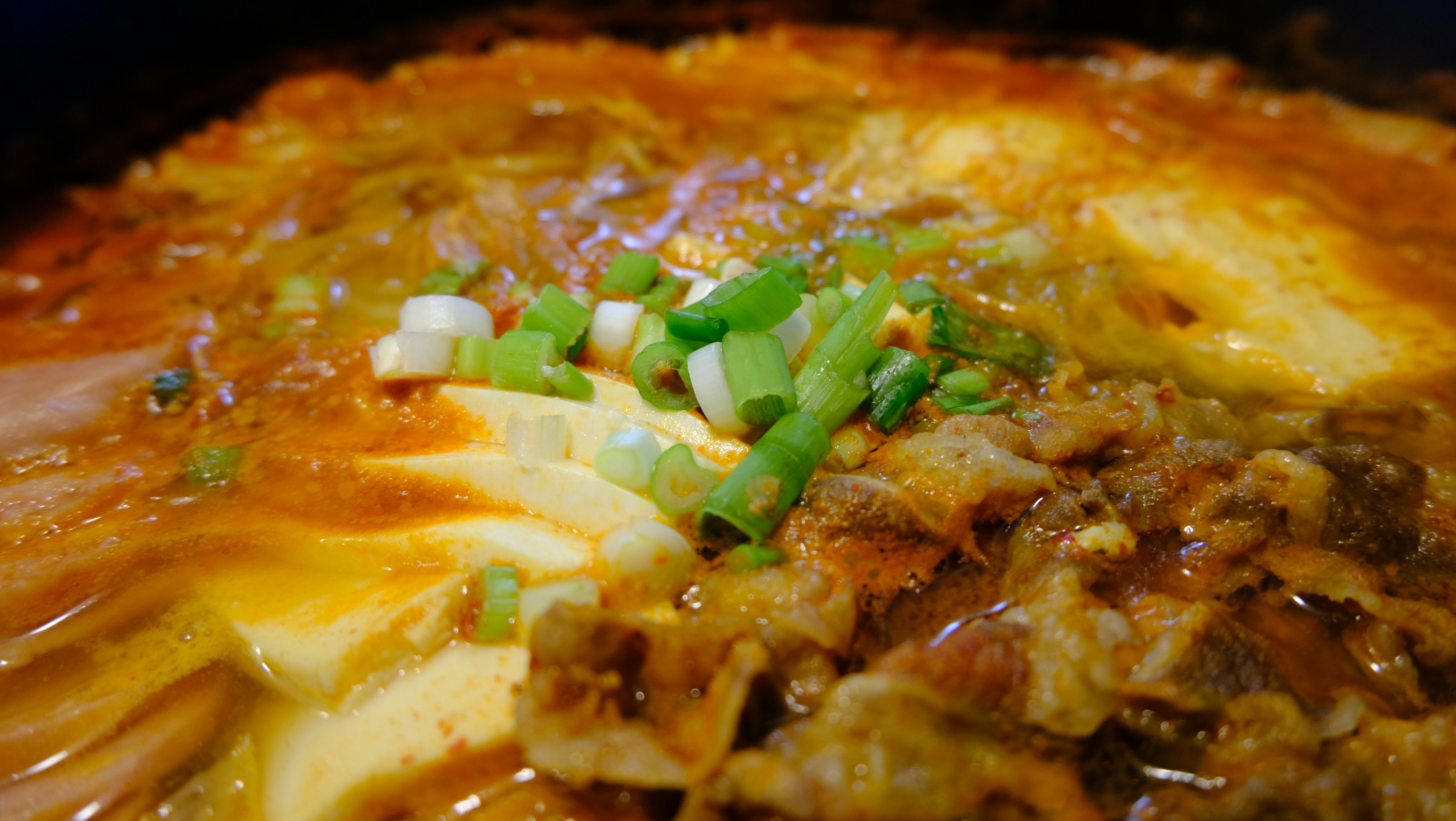
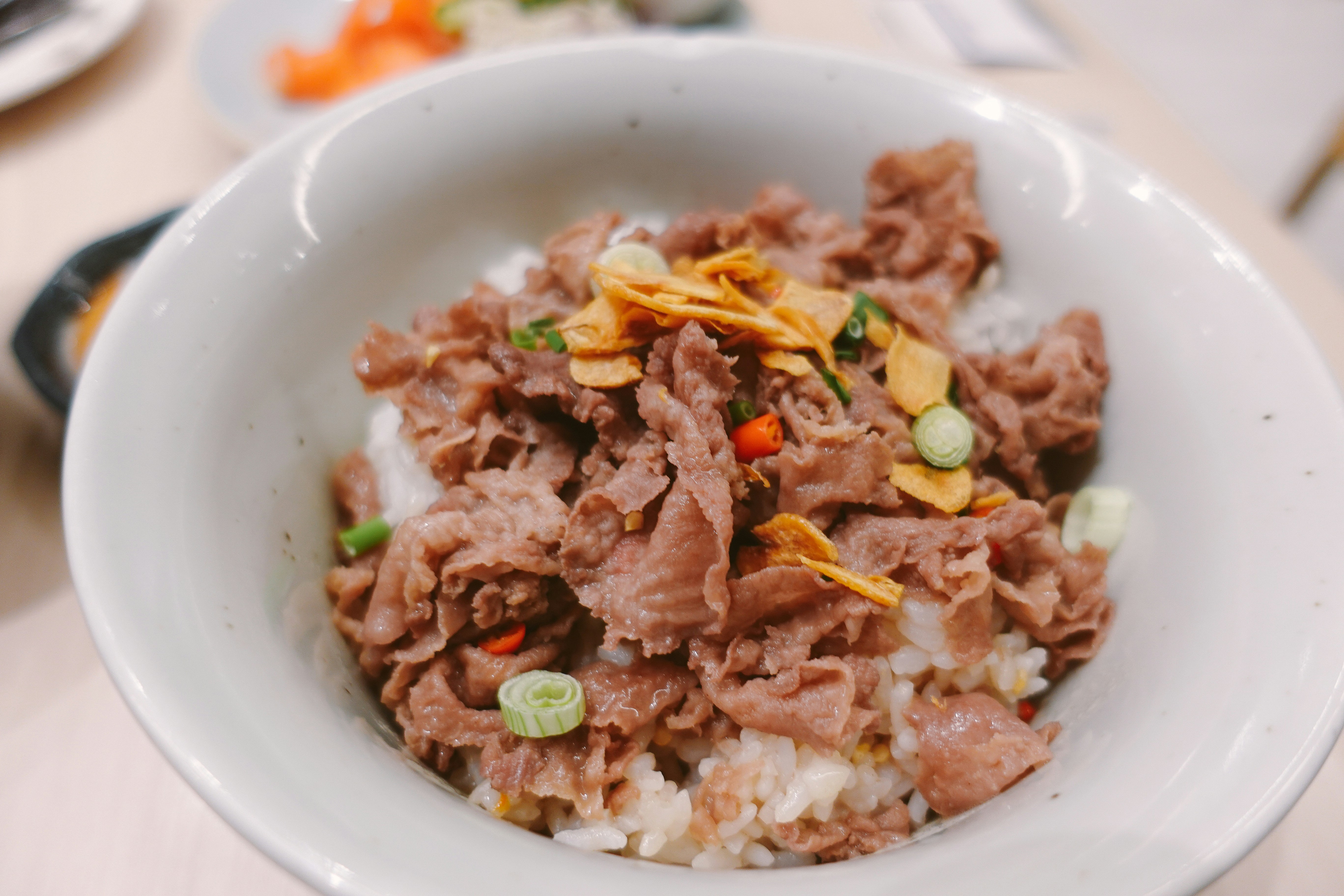
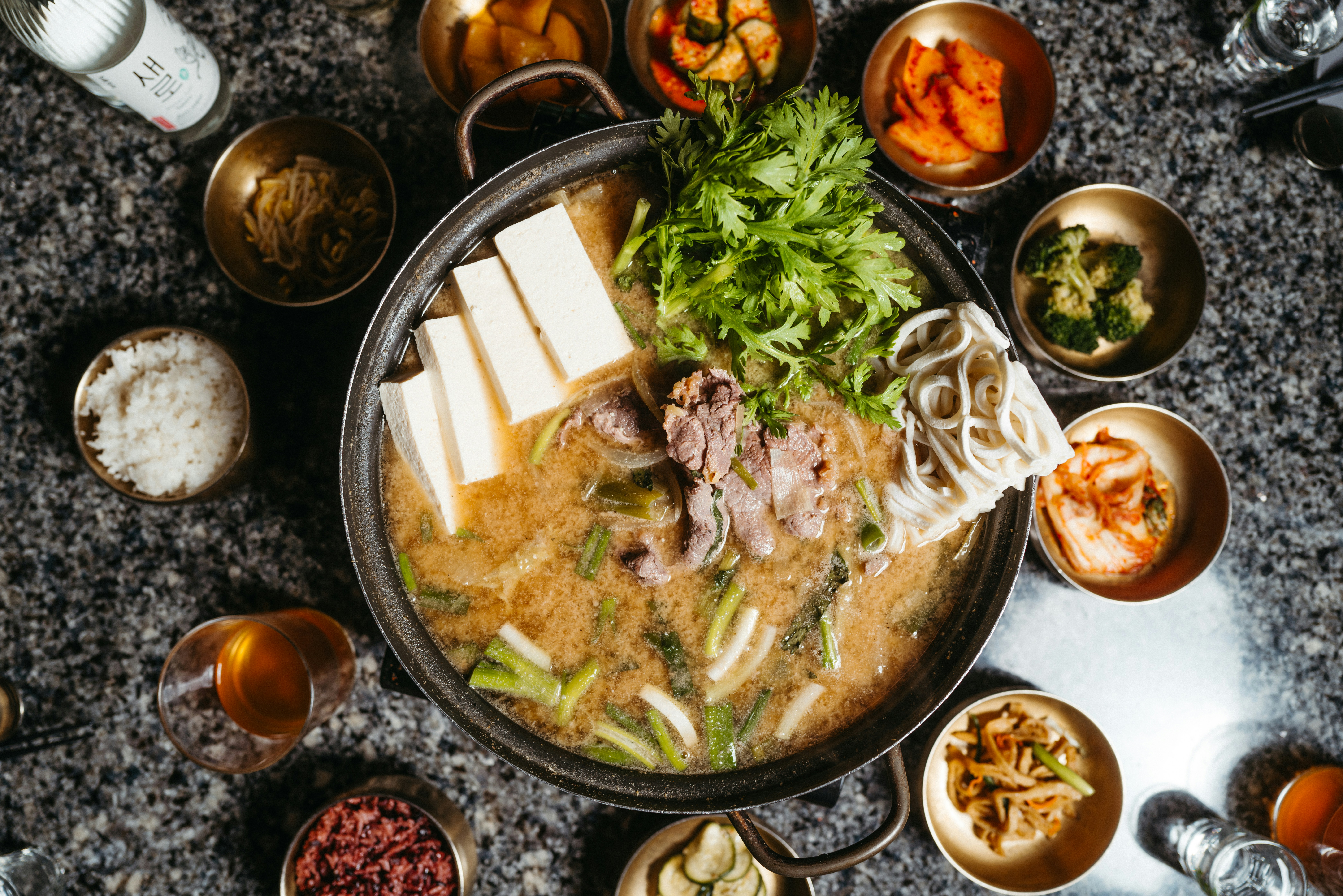
Banchan started with a recipe card and an argument. The recipe was for doenjang jjigae — fermented soybean paste stew, the kind that appears on every Korean table without announcement. The argument was about whether you could make it right downtown, in a space where the gochujang ferments in clay pots out back while the bulgogi sizzles on flat-tops visible from the register.
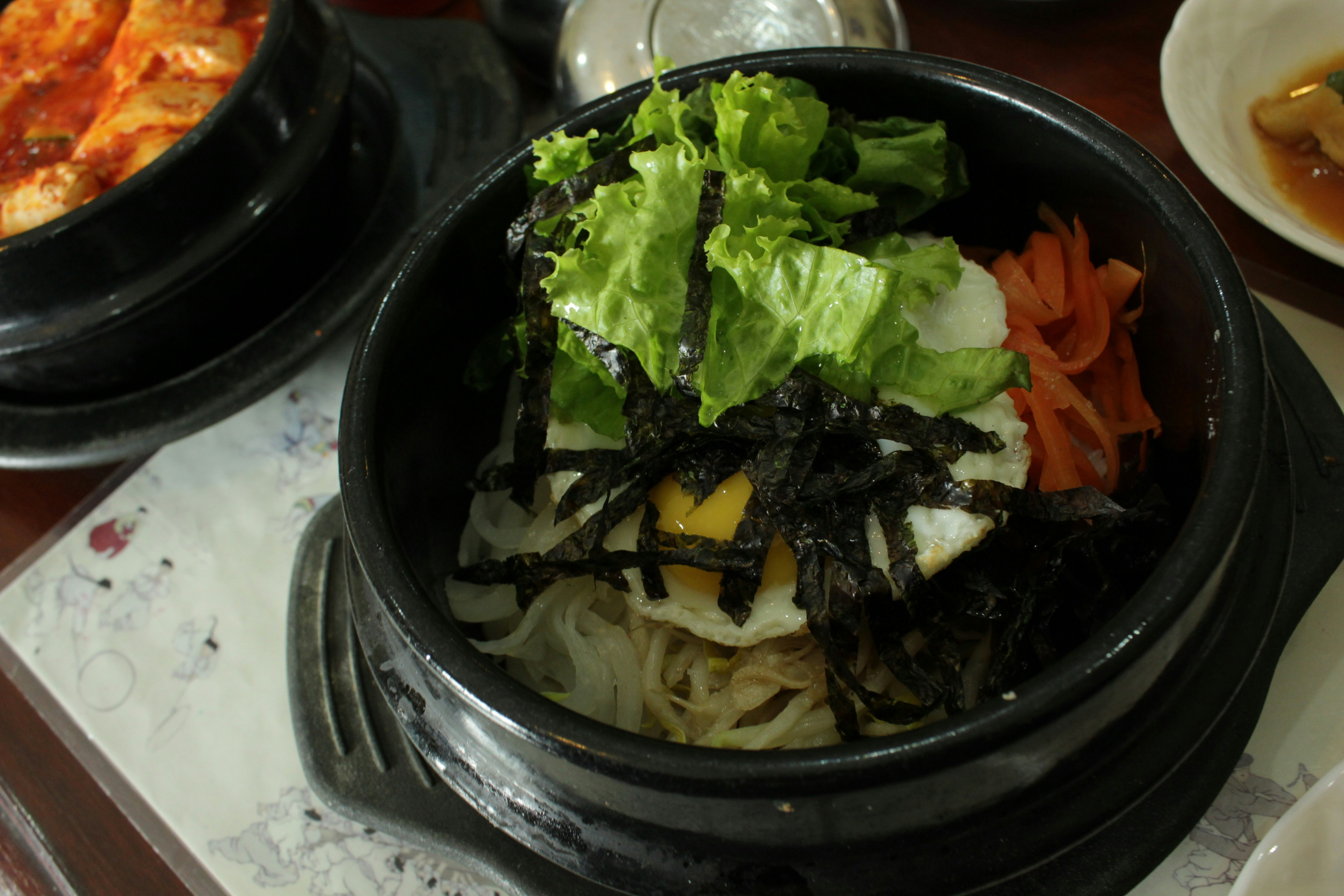
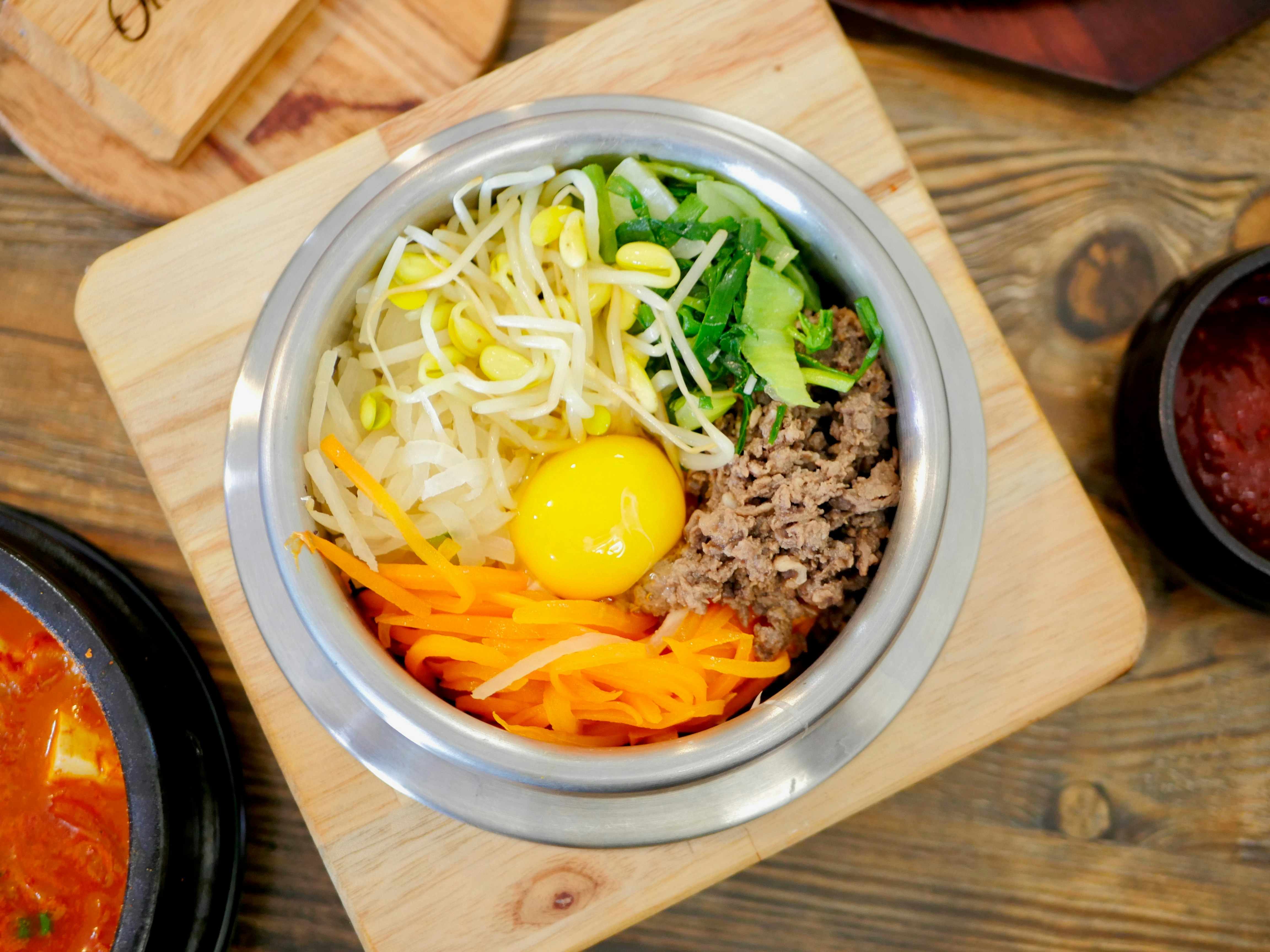
We decided you could. The regulars are proving us right. Office workers who stopped buying sad desk salads. Students who know the bibimbap here is the real thing. Families whose kids are now eating fermented vegetables without a fight.
The recipes trace back to someone's grandmother's kitchen garden. We kept the part that matters: the patience.
14mo
Gochujang ferment
6
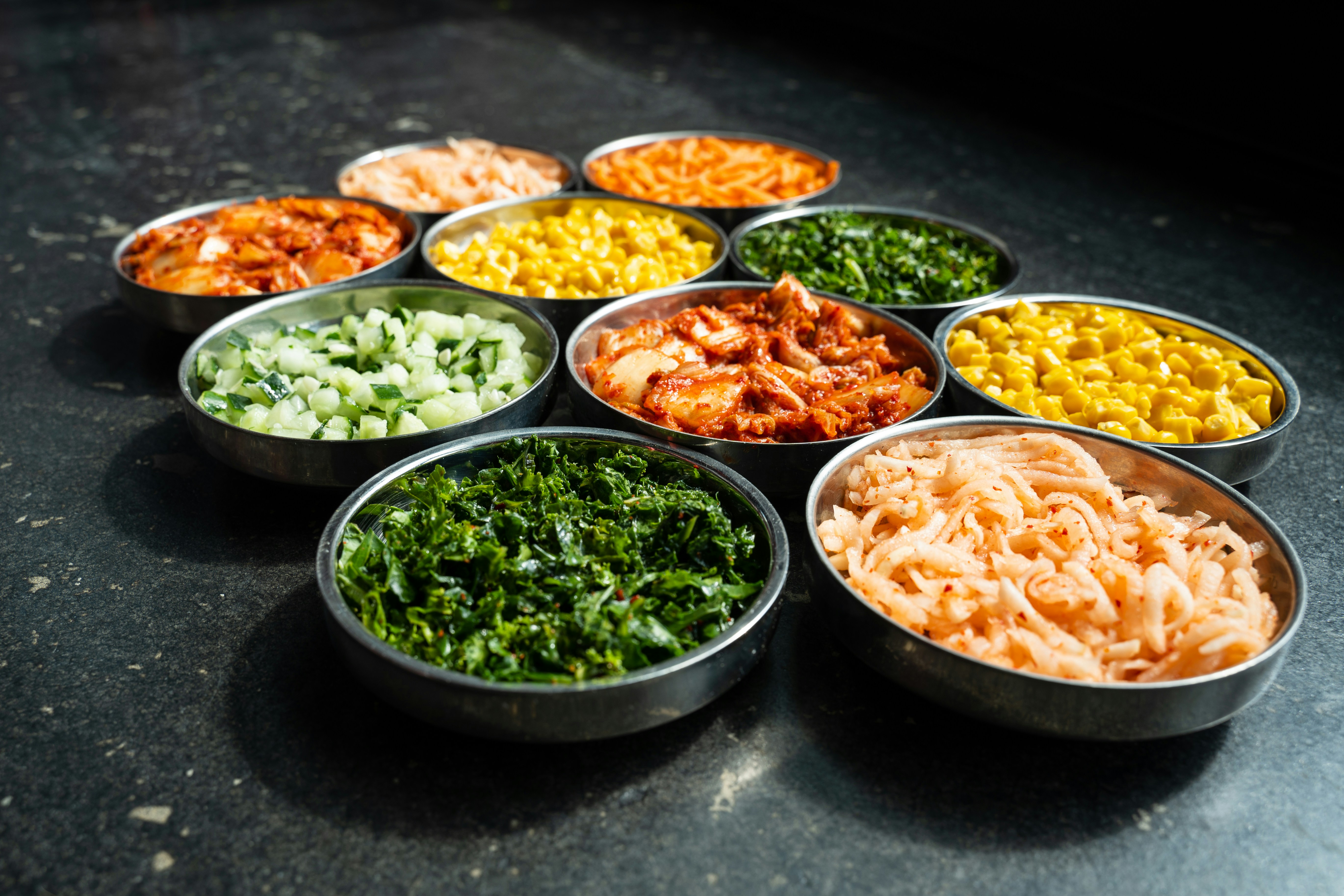
Banchan dishes, always
1
Grandmother's recipe
Fermentation
Aged 14 monthsGochujang
Red pepper paste fermented in onggi clay pots in our back kitchen. We started the current batch in November 2024. It will be ready when it's ready, not before.
→ Temperature, humidity, and patience.
Sourcing
Stony Creek Farm, NYRadish
Korean radish from a family farm two hours north. Crisp, slightly sweet, dense enough to hold up to our brine. They grow it specifically for us in the fall.
→ Pickled in house brine: rice vinegar, sugar, salt, turmeric.
Fermentation
Aged 14 monthsDoenjang
Fermented soybean paste that smells like the earth after rain. Our version uses soybeans from a co-op in Pennsylvania. The paste goes into everything — jjigae, marinades, finishing.
→ Older batches reserved for the jjigae. Nothing wasted.
Local
Window boxes + NJ farmPerilla
We grow what we can in the restaurant's south-facing windows. The rest comes from a Korean farmer in Bergen County who's been growing perilla for thirty years.
→ Harvested weekly. Used within 48 hours.